
Did you know that according to FEMA, flooding is the most common natural disaster? The reason being is that there are many different types of floods. There are coastal floods, storm surge floods, flash floods, river floods, inland floods and burn scar (which occurs after a wildfire). Here are some real statistics that support the frequency and risk of flooding where you live:
- Flash floods are the number one weather-related killer in the U.S.
- 15,000 dams in the U.S could cause fatalities if broken! 2,300 of them are in poor condition.
- You don’t have to be in hurricane alley to be right at the center of a flood bullseye.
- One in three flood insurance claims come from moderate to low risk flood areas, so you don’t have to be in a flood-prone area to be out of danger.
- 83% of us live in downtown urban centers and suburbs where concrete and asphalt reduce the amount of rainfall absorbed by the earth.
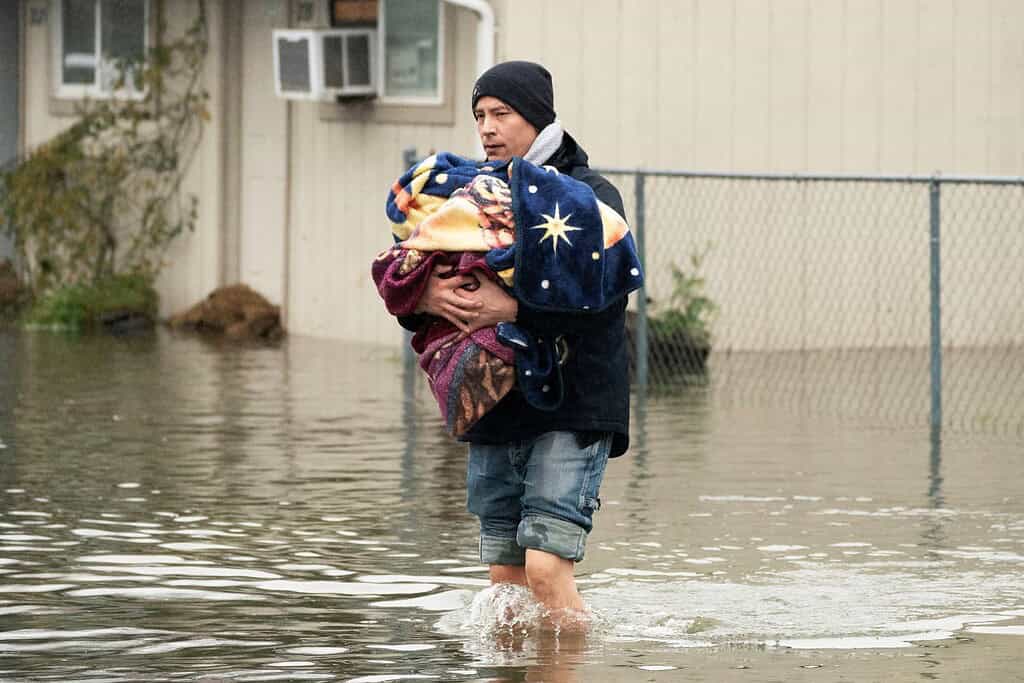
So how do you take steps to protect your home from this costly and common peril? Some easy steps you can investigate are listed below:
- Find out if you live in a flood-prone area. The FEMA Flood Map Service Center allows you to enter your address to see if your address is in a flood-prone area.
- Learn about the assistance available through the National Flood Insurance Program.
- Does your family know the difference between a flood watch and a flood warning?
There are other proactive steps a family can take to prepare for a potential flood. You can plan and practice an evacuation route. You can also have a family communication plan in place to warn family members of a flood warning. You can also have disaster supplies on hand, if you are stuck in your home with flood waters threatening your location. Should you consider purchasing flood insurance? The average cost of flood insurance is $1808 annually, which may be out of most families’ price range.
What can a family do to help protect their home from flooding? The answer is to improve your property by considering these action steps:
- Focus on your home’s foundation. Fill hairline cracks and small holes.
- Waterproof your basement. It is expensive and can range anywhere from $2,300 – $7,600.
- Install a sump pump. Costs could range from $600 – $2,100.
- Landscape properly. You can add a rain garden or swale. A rain garden is a depression designed to capture and temporarily hold water until it soaks into the group. A swale is a gently sloped channel(s) that moves water along a specific path while allowing some of it to infiltrate the soil.
Despite the costs of these flood protection solutions, every family should be prepared to take steps in case of a threatening flood. If a storm is approaching, you can take some proactive steps to minimize the consequences of flooding. Here is a short list:
- Clear the path of any obstructions to storm drains.
- Move valuables (electronics, musical instruments, important papers and books) to a higher place in your home.
- Unplug appliances and electronics like televisions, speakers, vacuum cleaners, etc. If possible, move these items several feet off the ground or put them on a countertop or dining room table.
- Roll up your rugs and stand them vertically.
- Have multiple sandbags on hand and learn how to stack them once they are filled with sand. You can purchase multiple heavy-duty sandbags on Amazon for $10-25.
Your family will be better prepared to weather a flood if you have an evacuation plan, a shelter in place plan, a family communication plan and an emergency car kit plan in place. At https://famiy-preparedness.com we have advice and short tiny courses to help you create and execute those plans that will protect your family from this number one common disaster type. All you need to do is to read the headlines below to understand the risk of this number one disaster type to understand why your family should proactively protect everything they own:
- Historic floods wash over western Washington state!
- Death toll from flooding in Libya soars to 11,300!
- Torrential rain and flooding hits Massachusetts and Rhode Island!
- Climate-driven flooding risks tainting well water!
Need we say more?