
Wildfires have many risks associated with them for families, even those families who are not in a wildfire area. Primarily there is the risk of having to evacuate due to an approaching wildfire. Secondly there is the risk of choosing to stay in your home in order to protect your family and your home from an approaching wildfire. Lastly there are the risks associated with returning to a home that was either near a wildfire area or severely impacted by wildfire smoke.
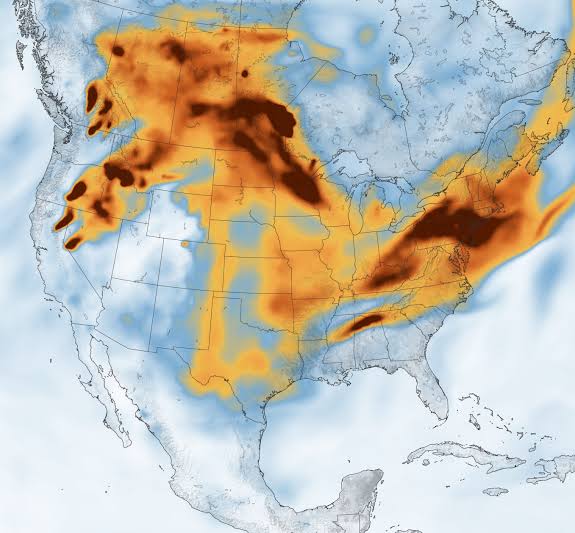
Preparing a specific fire evacuation plan does not happen overnight. There are many concerns to consider, and they take planning and preparation. Leaving your home assumes the risk that your home will still be standing or be livable when returning. A family’s fire evacuation plan includes addressing these items:
- Where will you evacuate to that is in a safe location?
- How long will you stay in that safe location and what are the costs associated with staying for an extended period of time?
- What critical items will you take with you? We are talking about proof of identity documents, ownership documents, medical condition documents and more.
Staying in your home or riding it out to fight a wildfire also has its own concerns:
- Will your outdoor water sources be enough to fight a fire near your property or protect your roof from flying embers?
- If trapped in your home, do not expect emergency responders to respond to an evacuation request immediately. They will be delayed or it may be impossible to reach your home.
- If your family has not created a fire-resistant zone around your home, your family is at significant risk.
Returning to a home that you have evacuated or continuing to stay in a home that you have chosen to ride out the wildfire danger also has its own risks:
- Smoke damage is a real invisible concern. Mattresses, rugs, couches will reek with smoke and opening the windows and doors will not make that smoky haze go away.
- There is a huge threat of invisible damage to the body, including inside air that stings the throat, making eyes water and heads pound.
- The soot found on windowsills, air ducts, and burned-out neighborhood lots could impact a family’s health for weeks and months after a wildfire.
- The impact on your home’s furnishings like smoky couches, carpeting, and insulation in the attics could provide costly replacements and health issues if not addressed.
Whether you choose to stay in a home with an approaching wildfire (despite your local authorities’ recommendations) dictates that every home should have a wildfire emergency kit to supplement your two recommended emergency plans (shelter in place plan and evacuation plan). A wildfire emergency kit should have these items:
- Respirators and air filters. Fire evacuation masks like the ones available on the Emergency Essentials website located here.
- Chargers for electronics.
- 3 days of non-perishable food to have on hand or take with you if you choose to evacuate.
- 3 gallons of water to have on hand or take with you if you choose to evacuate.
- Proper medications for all family members for a minimum of seven days if you choose to evacuate or stay in your home.
- Leashes, harnesses, or carriers to prevent escape for your anxious pets.
If you are a proactive, ‘safety-first’ kind of family that wants to take additional steps to protect your home before a wildfire risks damage or your evacuation, here are some recommendations:
- Create a fire-resistant zone around your home that is free of leaves, debris, or flammable materials for at least 30 feet from each side of your home.
- Review your home insurance coverage to make sure it is enough to replace your property.
- Identify your community’s evacuation plans and their shelter locations so you know your evacuation options.
- Upload your critical and ownership documents into the cloud or prepare copies of them to take with you in a fireproof storage device like a Doc Fortress fireproof bag available on Amazon here.
As wildfire risks increase where you live, there are many ways to stay informed. InciWeb, the U.S. Forest Service, the National Weather Service and your local county and state governments have websites to keep your family informed and prepared. Check them out wherever you live. The https://family-preparedness.com website also has several tools to help you prepare your home and family from a potential wildfire or wildfire smoke incident. Our How to Prepare website section has advice on how to shelter in place or evacuate. Our Tiny Course webpage has short, detailed tools to plan and create your own family preparedness plans. And our Blog posts pages located here has numerous posts that help your family prepare for many dangers including wildfires and wildfire smoke. Make sure you prepare your family to breathe fresh air, not wildfire air by being proactive to this every increasing risk to families throughout the world!